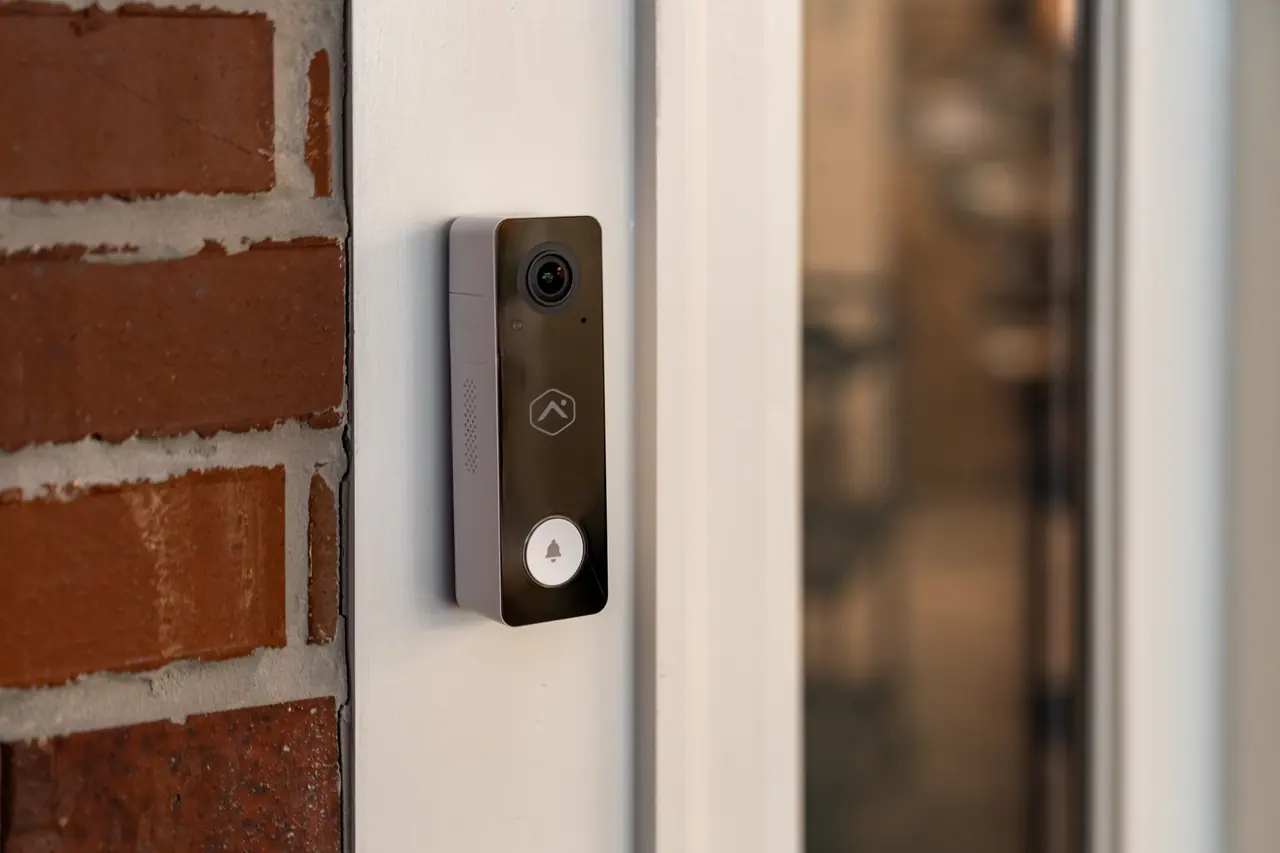
Security alarms protect Phoenix-area homes and businesses against theft and property damage, with 24/7 professional monitoring and a local team behind every install.
Every install starts with a real walkthrough, entry points, motion zones, and blind spots that a generic sensor kit usually misses. Sensors on doors, windows, and motion zones connect wirelessly to a central panel, so when something trips while armed, the panel signals our monitoring center immediately.
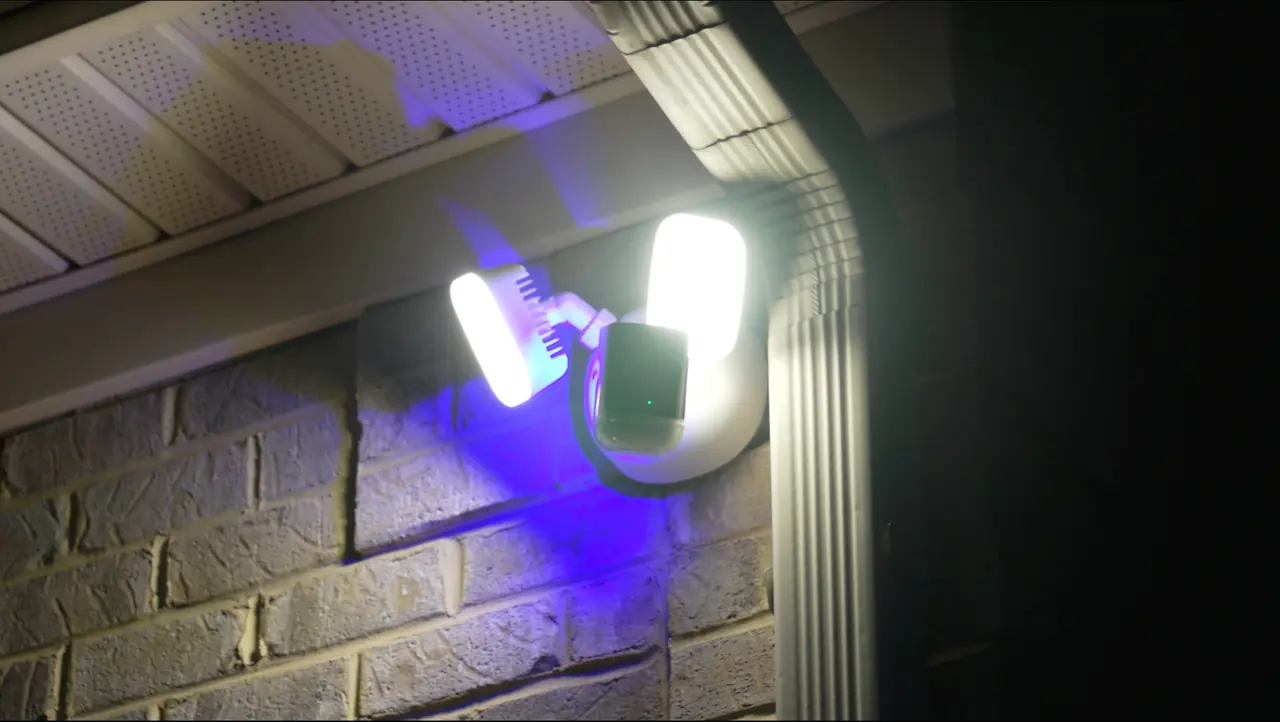
Your alarm is only as good as who's watching it. Our central station monitors every signal around the clock and contacts you, and can dispatch police or fire, within seconds of a real alarm.
A burglar alarm is a set of parts that work together. Here is what each one does, and why it matters.
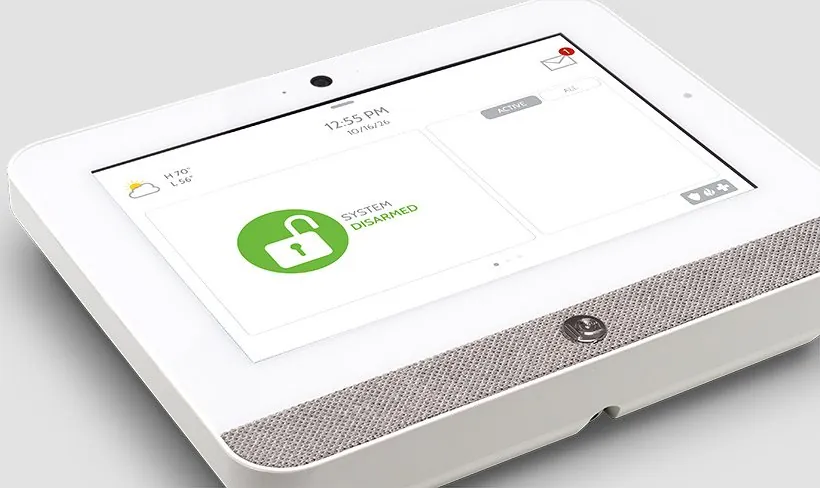
The Qolsys IQ Panel 5 is the brain of the system. It arms and disarms, shows the status of every sensor, and sends alarm signals to our central station the moment something trips.
Sensors on exterior doors and accessible windows catch an intrusion at the point of entry, before anyone is inside long enough to do real damage.
Motion detectors cover the interior spaces an intruder has to cross, a second layer of protection if someone gets past a door or window without tripping it.
Arm, disarm, and check every sensor from the Alarm.com app, and get an alert on your phone when a door opens or the alarm trips.
While the system is armed, an opened door or window, or motion in a covered area, triggers the alarm.
The panel signals our central station right away, and a monitoring operator starts working the alarm.
The operator calls the people on your contact list to find out whether it's a real emergency or an accidental trip. In Phoenix, two different numbers must be called before police are sent to a burglar alarm.
If it's a real emergency, the operator dispatches police or fire to your property and keeps you updated.
Valley cities set their own rules for alarm permits, false alarm fees, and police response, and they differ more than most people expect. Phoenix requires a permit and calls for two verification calls before police respond to a burglar alarm. Surprise can suspend police response after repeated false alarms. A good install accounts for those rules from day one.
See the local rules for Phoenix, Scottsdale, Mesa, Glendale, and Surprise, or browse all of our service areas. Installing in Phoenix? Read the Phoenix alarm permit guide.
Are the sensors wired or wireless?
Wireless. Door, window, and motion sensors connect wirelessly to the central panel, which keeps the installation clean and makes it easy to add sensors later.
What happens if my alarm goes off by accident?
Disarm it at the panel or in the app. The monitoring center will also call to confirm, so keep your contact list current and make sure everyone in the house knows the code.
Can I arm and disarm from my phone?
Yes. The Alarm.com app lets you arm, disarm, and check the status of every sensor from anywhere, and alerts you when a door or window opens.
Who responds when my alarm goes off?
Our central station, 24/7/365. Operators contact you and dispatch police or fire when needed. AZ Alarm does not sell or subcontract its monitoring agreements.
Do I need an alarm permit?
It depends on your city. Phoenix requires a permit, and several Valley cities charge fees for repeat false alarms. We go over what applies to your address during the walkthrough.
Do you install alarms for businesses too?
Yes. The same intrusion protection and monitoring is available for offices, retail, and warehouses, often paired with cameras and access control.
Tell us a little about your home or business and a local team member will follow up, no obligation.